
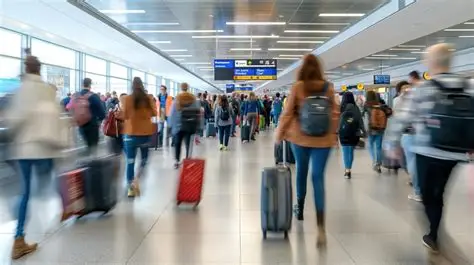
The travel industry remains a major contributor to economic activity as demand for international and domestic trips continues to increase. Airlines, hotels, and tourism businesses are reporting steady customer interest, helping support job creation and business expansion in many regions. Analysts expect travel spending to remain a key driver of economic growth throughout the year.
Travel has been picking up again across the world, and it’s hard not to notice how busy airports, hotels, and tourist destinations have become. After a few quiet years in the industry, people are traveling more freely, and that increase in movement is having a clear impact on economic activity in many countries.
What’s interesting is how travel has changed from something people did occasionally to something that now feels more regular. Families are planning trips more often, young people are exploring new destinations whenever they can, and businesses are once again sending employees abroad for meetings and events. This steady return to travel is quietly but strongly supporting a lot of different parts of the economy.
Airlines are one of the most obvious examples. Passenger numbers have gone up, and many routes that were once reduced or suspended are now back in operation. In some cases, airlines are even expanding into new destinations to meet rising demand. While fuel prices and operational costs still create pressure, higher ticket sales have helped stabilize the industry.
Hotels and accommodation services are also seeing improvement. In many tourist cities, occupancy rates are rising again, especially during peak travel seasons. But it’s not just about filling rooms anymore. Travelers are also expecting better experiences—cleaner facilities, smoother booking systems, and more personalized services. Because of this, hotels are competing harder to attract and keep customers.
The impact of travel doesn’t stop with airlines and hotels. Local businesses benefit just as much, sometimes even more. Restaurants, cafes, transport providers, tour guides, and small shops all see more activity when tourists arrive. In many places, tourism money spreads quickly through the local economy, helping small businesses grow and supporting everyday livelihoods.
Technology has also made travel much easier than it used to be. Today, most people plan their trips online. They compare flight prices, read reviews, and book hotels from their phones in minutes. This convenience has encouraged more people to travel because the whole process feels less stressful and more accessible than before.
Business travel is another area that has slowly regained strength. Even though virtual meetings are still common, many companies are going back to in-person meetings, conferences, and international visits. There is still a belief that face-to-face communication builds stronger business relationships, and that is helping demand recover further.
One of the most important effects of this growing travel demand is job creation. The travel and tourism industry supports millions of jobs worldwide. From airline staff and hotel workers to drivers and tour operators, many people depend directly on this sector. As travel increases, so does employment, which helps support income levels in many regions.
Of course, the industry is not without challenges. Rising living costs in some countries make travel more expensive for consumers. Fuel price changes also affect airlines, and popular destinations sometimes struggle with overcrowding during peak seasons. These issues are real, and businesses are trying to manage them in different ways.
Even with these challenges, the overall direction of the industry is positive. Demand for travel remains strong, and most experts expect it to continue growing. People are prioritizing experiences more than before, and travel is a big part of that shift.
Looking ahead, the travel industry will likely become even more connected to technology. Booking systems will become smarter, travel experiences will become more personalized, and operations across airlines and hotels will continue to improve. All of this will make traveling easier and more appealing for even more people.
In the end, global travel is doing more than just helping people move from one place to another. It is supporting jobs, strengthening businesses, and contributing to economic growth in many parts of the world. As long as people continue to travel, the economic impact of this industry will remain strong.