
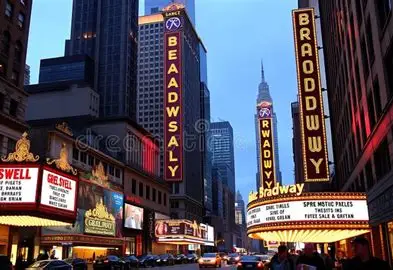
Broadway has recorded a season generating approximately $1.9 billion in revenue, reflecting continued consumer demand for live entertainment and in-person experiences. The strong performance suggests that many consumers remain willing to spend on events, travel, and cultural activities despite ongoing economic pressures.
Industry observers view the results as a sign that experience-driven spending remains resilient, with entertainment venues benefiting from audiences seeking memorable activities rather than physical goods. The trend is also supporting growth across related sectors, including tourism, hospitality, and local businesses.
Broadway has once again shown how powerful the entertainment industry can be when it comes to consumer spending. The latest season brought in around $1.9 billion in revenue, a figure that reflects not only strong ticket sales but also a continued shift in how people choose to spend their money. Instead of focusing mainly on physical goods, many consumers are increasingly prioritizing experiences that feel meaningful and memorable.
Over the course of the season, theaters across Broadway saw consistent audience turnout. Popular shows continued to attract both local attendees and international visitors, while newer productions helped keep interest fresh. Despite broader economic pressures such as inflation and higher living costs, demand for live performances remained surprisingly steady.
One of the key reasons behind this resilience is the growing value people place on experiences. For many, attending a live show offers something that cannot be replaced by digital entertainment or material purchases. The atmosphere, the performance, and the shared audience experience all contribute to a sense of connection that keeps people coming back.
This trend is not limited to Broadway alone. It reflects a broader global shift in consumer behavior. More people are choosing to spend on travel, concerts, sports events, and cultural activities rather than focusing only on physical products. Even when budgets are tight, experiences often remain a priority because they are seen as more personal and memorable.
Broadway’s strong performance also has a wider economic impact. The industry supports thousands of jobs, from actors and production teams to stage crew, venue staff, and marketing professionals. Beyond the theaters themselves, surrounding businesses such as restaurants, hotels, and transportation services also benefit from the steady flow of visitors.
Tourism plays a major role in this ecosystem. A significant portion of Broadway audiences comes from outside the local area, including international tourists. These visitors often combine theater attendance with travel experiences, which further boosts spending in the hospitality sector. Hotels see higher bookings, restaurants experience increased foot traffic, and local attractions benefit from the overall rise in visitors.
Another important factor contributing to Broadway’s success is the continued demand for in-person entertainment after periods where digital options dominated. While streaming services and online content remain popular, many people are now actively seeking real-world experiences that offer something more engaging and immersive. Live theater provides exactly that, helping to maintain its relevance even in a highly digital world.
At the same time, the industry has adapted to changing audience expectations. Ticketing systems have become more digital, marketing strategies are more targeted, and productions are increasingly designed to appeal to diverse audiences. These changes have helped Broadway remain competitive and accessible to a wider range of people.
However, the industry still faces challenges. High production costs, venue expenses, and ticket pricing pressures can all affect profitability. In addition, economic uncertainty may influence how frequently people choose to attend live events in the future. Despite these challenges, the current season shows that demand remains strong.
Industry analysts believe that the performance of Broadway is part of a larger trend in “experience-driven spending.” This refers to the idea that consumers are placing higher value on activities and experiences rather than material goods. This shift has been visible across entertainment, travel, sports, and cultural sectors, and it is expected to continue shaping consumer behavior in the coming years.
Looking ahead, the future of Broadway will likely depend on its ability to maintain audience interest while adapting to changing economic and cultural conditions. If current trends continue, live entertainment is expected to remain a strong contributor to both the cultural and economic landscape.
In conclusion, Broadway’s $1.9 billion season highlights more than just financial success. It reflects a broader shift in consumer priorities, where experiences are becoming just as important—if not more important—than physical products. This trend is not only supporting the entertainment industry but also strengthening related sectors such as tourism, hospitality, and local business activity.