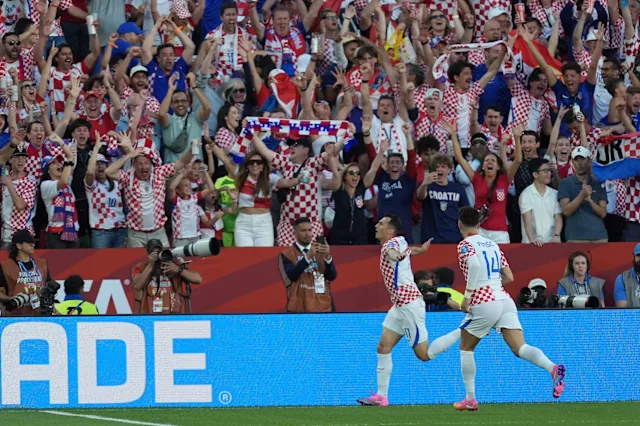
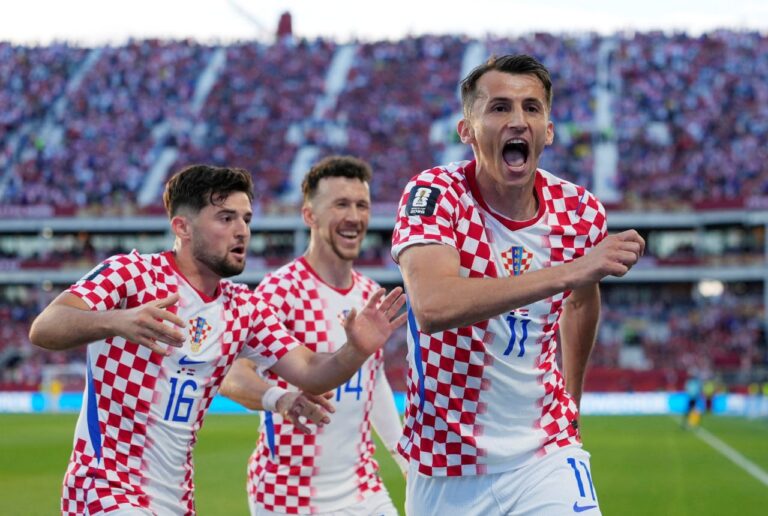
Croatia finally kickstarted their 2026 FIFA World Cup campaign with a narrow but hugely significant 1-0 victory over Panama, thanks to a decisive second-half strike from substitute Ante Budimir. In a match that often tested the patience of both players and supporters, the experienced forward emerged from the bench to deliver the breakthrough moment that secured all three points for the 2018 World Cup finalists.
Coming into the contest, Croatia knew the importance of avoiding another setback. Their opening matches had left questions about the team’s attacking sharpness and overall consistency. Against a determined Panama side desperate to earn a positive result of their own, Croatia faced the challenge of balancing urgency with composure.
The victory may not have been spectacular, but it could prove to be one of the most important results of Croatia’s group-stage campaign. Tournament football is often decided by narrow margins, and Budimir’s contribution ensured that Croatia remained firmly in contention for a place in the knockout rounds.
From the opening whistle, Croatia attempted to establish control through possession. Their midfield, traditionally the foundation of Croatian success, circulated the ball confidently and sought to dictate the rhythm of the game. Panama, however, arrived with a clear tactical plan and showed little interest in allowing Croatia comfortable progress through central areas.
The Central Americans defended with discipline and energy. Their players worked tirelessly to close down passing lanes and limit the influence of Croatia’s creative midfielders. Every Croatian attack was met with resistance, and clear opportunities were difficult to create during the early stages.
Despite controlling possession for long periods, Croatia struggled to turn their dominance into meaningful chances. Panama’s defensive organization forced the Europeans into wider areas, where crosses and speculative efforts rarely troubled the goalkeeper.
As the first half progressed, frustration began to creep into Croatia’s performance. Passes that were usually crisp and precise became slower, while movement in the final third lacked the sharpness needed to break down a compact defensive block.
Panama, meanwhile, grew increasingly confident. Although they spent much of the match without the ball, they remained dangerous on the counterattack. Their quick transitions occasionally exposed spaces behind Croatia’s advancing full-backs, creating moments of concern for the European side.
The first half ended goalless, and the scoreline accurately reflected the balance of play. Croatia had enjoyed more possession, but Panama’s defensive resilience ensured that neither side could establish a decisive advantage.
Recognizing the need for greater attacking presence, Croatia’s coaching staff began considering changes. The match demanded fresh energy and a different type of threat in the penalty area. That moment eventually arrived with the introduction of Ante Budimir.
The experienced striker immediately offered something different. His physicality, movement, and aerial ability provided Panama’s defenders with new challenges. Rather than relying solely on intricate passing combinations, Croatia now possessed a more direct route toward goal.
The breakthrough finally arrived midway through the second half.
Following a sustained spell of Croatian pressure, the ball was delivered into a dangerous area where Budimir reacted quickest. The striker displayed excellent anticipation and composure, guiding his finish beyond the goalkeeper and into the net. The goal sparked celebrations among Croatian players and supporters who understood the importance of the moment.
For Budimir, it was a perfect example of the value of experienced squad players in major tournaments. While he did not begin the match in the starting lineup, his impact after entering the field completely changed the game’s trajectory.
Goals from substitutes often carry extra significance because they highlight the importance of depth within a squad. Croatia’s ability to call upon a player of Budimir’s quality from the bench demonstrated the strength available to their coaching staff.
After taking the lead, Croatia faced a new challenge. Panama had little choice but to push forward in search of an equalizer. The Central Americans increased their attacking intent and began committing more players into advanced positions.
To their credit, Panama never abandoned their belief. Their determination remained evident throughout the closing stages, and they continued searching for opportunities despite falling behind.
Several promising attacks forced Croatia’s defence to remain alert. The European side occasionally found themselves under pressure as Panama launched crosses and quick attacks into dangerous areas.
However, Croatia’s defensive experience proved crucial. Their back line maintained its composure, winning important aerial duels and making timely clearances whenever Panama threatened to create openings.
The Croatian goalkeeper was called into action on a handful of occasions but dealt confidently with everything directed toward him. The defensive unit showed the same resilience that has often defined Croatia’s success on the international stage.
As the clock ticked down, Croatia managed the game intelligently. Rather than chasing additional goals recklessly, they focused on controlling possession and limiting Panama’s opportunities. The strategy proved effective as the Europeans gradually regained control of the contest.
When the final whistle arrived, relief was visible across the Croatian squad. While the performance was not perfect, the result represented a significant step forward.
The victory keeps Croatia firmly alive in Group L and restores confidence ahead of their remaining matches. More importantly, it provides momentum that could prove invaluable as the tournament enters its decisive stages.
For Croatia, the result also highlighted several encouraging signs. The team demonstrated patience when confronted by a stubborn opponent, showed tactical flexibility through effective substitutions, and maintained defensive discipline under pressure.
At the same time, there are areas that still require improvement. Croatia will likely need greater creativity and attacking efficiency against stronger opponents. Possession dominance alone will not be enough as the level of competition continues to rise.
Panama, despite the defeat, can take pride in their performance. They defended courageously for long stretches and made life extremely difficult for one of Europe’s most respected national teams. Their commitment, organization, and work ethic were evident throughout the match.
Although the result was disappointing, Panama showed they are capable of competing at this level. On another day, a few moments of attacking precision could have produced a different outcome.
The match also served as a reminder of how small details often determine success in World Cup football. One substitution, one chance, and one finish ultimately separated the two teams after ninety minutes of intense competition.
For Croatia’s supporters, Budimir’s winning goal may be remembered as the moment their tournament truly began. Every successful World Cup campaign features key turning points, and this victory has the potential to become one of those defining moments.
With confidence restored and valuable points secured, Croatia can now look ahead with renewed optimism. The 2018 runners-up understand what it takes to navigate the pressures of a major international tournament, and this result provides a platform upon which they can build.
In the end, it was not a night of dazzling football or overwhelming dominance. Instead, it was a night defined by patience, determination, and the decisive contribution of a substitute who seized his opportunity. Ante Budimir’s second-half strike proved enough to defeat Panama 1-0 and hand Croatia a victory that could shape the course of their 2026 World Cup journey..championclick.com