
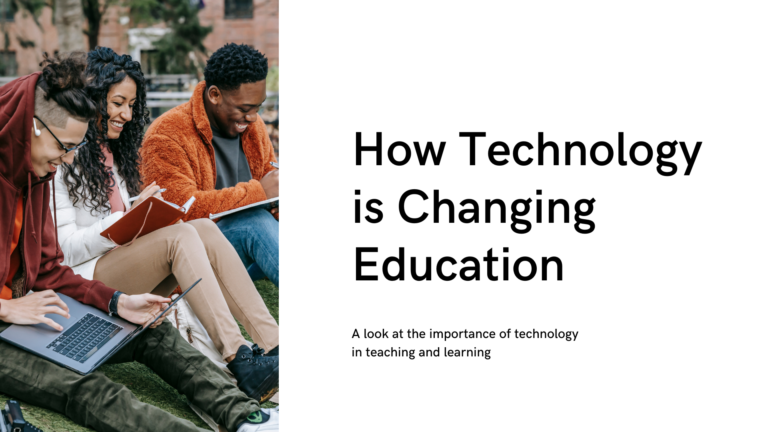
Education has changed significantly over the last few decades, and technology has played a major role in that transformation. In the past, students depended mainly on textbooks, classroom lessons, and physical libraries to learn new information. Today, technology has created new ways for people to access knowledge, communicate with teachers, and develop skills from almost anywhere in the world.
The rapid growth of digital tools has made education more flexible and accessible than ever before. Students are no longer limited to learning only inside a traditional classroom. With an internet connection and a digital device, learning opportunities are available to millions of people regardless of their location.
One of the biggest changes technology has brought to education is easier access to information. Years ago, finding information for research projects often required visiting libraries and spending hours searching through books. Today, students can access educational articles, videos, digital libraries, and online resources within seconds.
This easy access to information helps learners explore topics in greater depth and gain a broader understanding of different subjects. It also allows students to stay updated with new developments in science, technology, business, and many other fields.
Online learning has become increasingly popular as technology continues to improve. Many schools, colleges, and training organizations now offer online courses that allow students to study remotely. This flexibility benefits individuals who may not have access to traditional educational institutions or who need to balance learning with work and family responsibilities.
The growth of video conferencing platforms has also changed the way teachers and students interact. Virtual classrooms allow lessons to take place in real time, making it possible for students to ask questions and participate in discussions even when they are not physically present.
Technology has also improved communication between teachers, students, and parents. Educational platforms make it easier to share assignments, provide feedback, and monitor academic progress. Parents can stay informed about their children’s performance, while students can receive support more quickly when they encounter challenges.
Another important benefit of technology in education is personalized learning. Every student learns differently, and digital tools can help address individual learning needs. Some educational applications can track progress and recommend learning materials based on a student’s strengths and weaknesses.
This personalized approach allows learners to move at their own pace rather than following a single method designed for an entire classroom. Students who need extra support can spend more time on difficult topics, while advanced learners can continue progressing without unnecessary delays.
Technology has also made learning more engaging. Interactive videos, educational games, simulations, and virtual experiences help students stay interested in lessons. Instead of simply reading information from a textbook, learners can participate in activities that improve understanding and retention.
For example, science students can explore virtual laboratories, while geography students can use digital maps and interactive tools to learn about different regions of the world. These experiences make education more practical and enjoyable.
Teachers have benefited from technology as well. Administrative tasks such as grading assignments, tracking attendance, and organizing lesson materials can often be completed more efficiently using digital systems. This allows educators to spend more time focusing on teaching and supporting students.
In addition, technology provides teachers with access to professional development opportunities. Online training courses, webinars, and educational communities help educators improve their skills and stay informed about new teaching methods.
Despite its many advantages, technology in education also presents certain challenges. Not all students have equal access to reliable internet connections or digital devices. This digital divide can create barriers to learning for some individuals and communities.
Another concern is the potential for distractions. Smartphones, social media platforms, and entertainment websites can sometimes reduce student focus if technology is not used responsibly. For this reason, developing good digital habits is becoming increasingly important.
Looking ahead, technology is expected to continue influencing education in new and exciting ways. Artificial intelligence, virtual reality, and advanced learning platforms may provide even more personalized and interactive educational experiences in the future.
While technology will never completely replace teachers, it can serve as a powerful tool that supports both teaching and learning. The combination of skilled educators and modern technology has the potential to create better educational opportunities for students around the world.
Conclusion
Technology has transformed education by improving access to information, supporting online learning, enhancing communication, and creating more engaging learning experiences. Although challenges remain, the benefits of educational technology continue to grow.
As digital tools become more advanced, students and teachers will have even greater opportunities to learn, collaborate, and succeed in an increasingly connected world.