
Businesses around the world are investing in sustainability at unprecedented levels as environmental responsibility becomes a central part of corporate strategy. In 2026, green business investments are no longer viewed as optional initiatives but as essential components of long-term growth and competitiveness.
The global transition toward sustainable business practices is being driven by several factors. Consumers are increasingly choosing brands that demonstrate environmental responsibility. Governments are introducing stricter regulations related to emissions and environmental protection. Investors are also evaluating companies based on sustainability performance alongside traditional financial metrics.
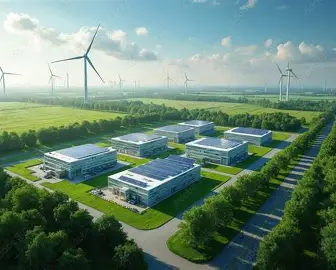
Renewable energy remains one of the largest areas of green investment. Companies across industries are installing solar panels, purchasing renewable electricity, and investing in energy-efficient infrastructure. These initiatives help reduce operating costs while lowering environmental impact.
Large multinational corporations have announced ambitious climate goals aimed at achieving carbon neutrality within the coming decades. To meet these objectives, businesses are redesigning supply chains, improving energy efficiency, and adopting cleaner technologies.
Small and medium-sized businesses are also participating in the sustainability movement. Advances in renewable energy technology have made solutions more affordable and accessible than ever before. Many organizations are discovering that sustainability investments can generate significant cost savings over time.
Green financing is playing an important role in supporting this transition. Banks and financial institutions are offering specialized loans and investment products designed to encourage environmentally responsible business practices. Green bonds and sustainability-linked financing continue to gain popularity among investors seeking both financial returns and positive environmental impact.
The transportation sector is experiencing major changes as businesses adopt electric vehicles and sustainable logistics solutions. Companies are optimizing delivery routes, reducing fuel consumption, and exploring alternative transportation methods to minimize carbon emissions.
Sustainable packaging has emerged as another priority area. Businesses are replacing single-use plastics with recyclable, biodegradable, and reusable materials. These changes not only reduce environmental impact but also appeal to environmentally conscious consumers.
Technology is helping organizations achieve sustainability goals more effectively. Advanced analytics, smart energy systems, and artificial intelligence enable businesses to monitor resource consumption and identify opportunities for improvement. Data-driven sustainability strategies are becoming increasingly common.
The renewable energy sector itself is creating significant economic opportunities. New jobs are being generated in manufacturing, installation, maintenance, engineering, and research. This growth is contributing to economic development while supporting environmental objectives.
Despite strong momentum, businesses still face challenges in implementing sustainability initiatives. Initial investment costs can be substantial, and measuring environmental impact requires careful planning and monitoring. However, many organizations believe the long-term benefits outweigh the challenges.
Industry analysts predict that sustainability will become even more integrated into business decision-making processes. Companies that prioritize environmental responsibility are expected to benefit from stronger customer loyalty, improved investor confidence, and reduced regulatory risk.
The shift toward green business practices represents a significant transformation in the global economy. Sustainability is increasingly viewed not as a cost but as a strategic investment that supports long-term resilience and growth.
In conclusion, record levels of green business investment demonstrate the growing importance of sustainability in the modern economy. Businesses that embrace environmental responsibility today are positioning themselves for success in an increasingly competitive and environmentally conscious marketplace