
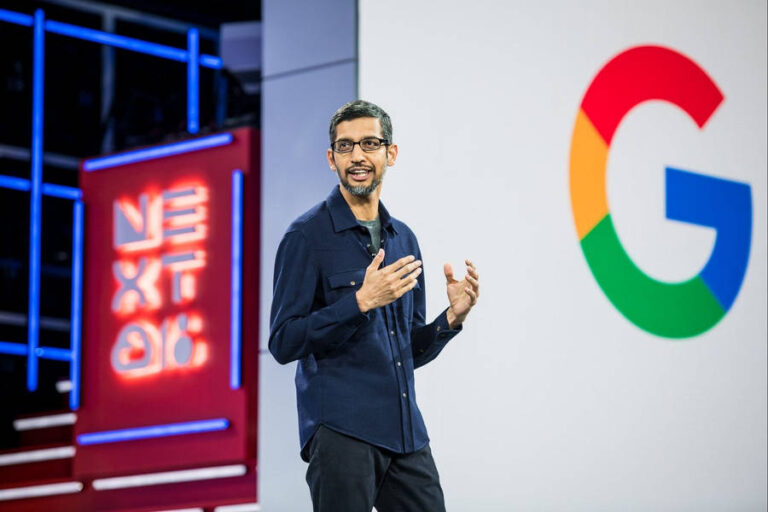
The evolution of search is entering a new era, and according to Sundar Pichai, artificial intelligence is at the center of this transformation. As the CEO of Google, Pichai has consistently emphasized the importance of integrating AI into search experiences to make them more useful, intuitive, and personalized. His recent comments highlight a strong belief that AI-powered search will redefine how people access and interact with information online.
For decades, search engines have relied on keyword-based queries and ranked lists of links. While this model has served users well, it often requires multiple searches and clicks to find precise answers. AI-powered search aims to simplify this process by delivering direct, context-aware responses. Instead of simply pointing users to websites, AI can interpret intent, summarize information, and provide more conversational results. According to Pichai, this shift represents one of the most significant changes in the history of search technology.
One of the key drivers behind this transformation is the rapid advancement of machine learning and natural language processing. Tools powered by AI can now understand complex queries, recognize patterns, and generate human-like responses. Google has been investing heavily in these technologies, embedding them into products like Search, Assistant, and other services. Features such as AI-generated summaries and conversational search interfaces are already becoming more common, signaling a clear move away from traditional search methods.
Pichai has pointed out that AI-powered search is not just about convenience; it is about fundamentally improving user experience. By providing more accurate and relevant answers, AI reduces the time and effort required to find information. For example, instead of browsing multiple pages to compare products or understand a topic, users can receive a concise overview generated by AI. This approach is particularly valuable in a fast-paced digital world where efficiency and clarity are highly valued.
However, this shift also raises important questions about how information is sourced and presented. AI-generated responses often rely on data from various websites, which means content creators play a crucial role in shaping these outputs. As AI becomes more prominent in search, the relationship between search engines and publishers is evolving. Pichai has acknowledged the importance of maintaining a healthy web ecosystem, where creators are recognized and rewarded for their contributions.
From a digital marketing perspective, the rise of AI-powered search is already reshaping strategies. Search engine optimization (SEO), once focused heavily on keywords and backlinks, is becoming more complex and nuanced. Businesses must now consider how their content is interpreted by AI systems, not just how it ranks in traditional search results. This includes creating high-quality, authoritative content that clearly communicates its value and relevance.
Another major change is the growing importance of entities and context. AI systems are better at understanding relationships between people, places, and concepts. This means that content optimized around clear topics and recognized entities is more likely to be surfaced in AI-driven results. Instead of targeting isolated keywords, marketers are shifting toward building comprehensive content that demonstrates expertise and trustworthiness.
Personalization is another area where AI-powered search is making a significant impact. By analyzing user behavior, preferences, and past interactions, AI can tailor results to individual needs. Pichai has highlighted this as a key benefit, noting that personalized search experiences can make information more accessible and relevant. However, this also requires careful handling of user data to ensure privacy and transparency.
Despite the advantages, the transition to AI-powered search is not without challenges. One concern is the potential for reduced website traffic, as users may find answers directly on the search page without clicking through to external sites. This could impact publishers and businesses that rely on search traffic for revenue. As a result, many in the industry are exploring new ways to adapt, such as focusing on brand authority, unique insights, and engaging content formats.
Another challenge is ensuring the accuracy and reliability of AI-generated information. While AI systems are highly advanced, they are not perfect and can sometimes produce incorrect or misleading results. Google continues to refine its algorithms to address these issues, emphasizing the importance of quality and trust in its AI initiatives. Pichai has stressed that maintaining user trust is a top priority, and ongoing improvements are essential to achieving this goal.
Looking ahead, the influence of AI-powered search is expected to grow even further. As technology continues to evolve, new features and capabilities will likely emerge, offering even more sophisticated ways to access information. Voice search, visual search, and multimodal interactions are just a few areas where AI is expected to play a larger role. These innovations could make search more seamless and integrated into everyday life.
For businesses and content creators, staying ahead of these changes will be critical. Adapting to AI-driven search requires a willingness to experiment, learn, and evolve. This may involve investing in new tools, updating content strategies, and focusing on user intent rather than just rankings. Those who embrace these changes are more likely to thrive in the new search landscape.
In conclusion, Sundar Pichai’s support for AI-powered search underscores a major shift in how information is discovered and consumed online. As Google continues to integrate AI into its products, the search experience is becoming more intelligent, personalized, and efficient. While challenges remain, the potential benefits are significant, offering new opportunities for users, businesses, and the broader digital ecosystem. The future of search is clearly being shaped by AI, and its impact will be felt across every corner of the internet.