
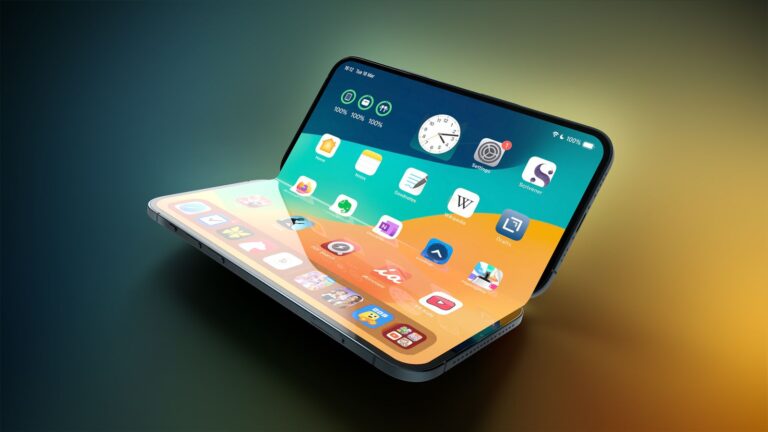
Apple is once again fueling speculation about a foldable iPhone, with new signals suggesting that the company may finally be preparing to enter the foldable smartphone market. While nothing has been officially confirmed, the pattern of hints and leaks has been enough to get the tech world talking.
For years, foldable phones have been associated mainly with companies like Samsung and other Android manufacturers. These devices introduced a new design approach, allowing smartphones to fold in half or unfold into larger screens. Apple, however, has remained noticeably silent in this space, choosing instead to refine its traditional iPhone design.
Now, that silence is starting to look more like preparation.
Reports and industry discussions suggest that Apple has been exploring foldable display technology behind the scenes for quite some time. The company is known for taking a slow and careful approach to new product categories. Rather than being first, Apple typically enters a market later but aims to deliver a more polished and reliable version of the technology.
This strategy has worked well in the past, especially with products like smartwatches and wireless earbuds. Apple often studies existing devices in the market, identifies their weaknesses, and then releases its own version with improved performance, design, and user experience.
The idea of an iPhone Fold fits into that pattern.
Consumers have already shown strong interest in foldable devices, especially for multitasking, entertainment, and productivity. A foldable iPhone could potentially offer a compact phone that opens into a larger display, combining portability with a tablet-like experience.
However, building a reliable foldable device is not simple. One of the biggest challenges is durability. Foldable screens are more complex than traditional displays, and manufacturers must solve issues like screen creasing, hinge strength, and long-term wear and tear. Battery efficiency and software optimization also play a key role in making the experience smooth.
Apple is known for focusing heavily on hardware-software integration. If the company does release a foldable iPhone, it is expected to be tightly optimized with iOS, offering a seamless transition between folded and unfolded modes. This could be one of the key advantages Apple brings to the category.
Another important factor is timing. Apple rarely rushes into new product categories. Instead, it waits until the technology matures enough to meet its standards. This is one reason why many analysts believe that if an iPhone Fold is in development, it may still be a few years away from an official launch.
Despite that, the steady stream of hints and supply chain rumors keeps expectations alive. Tech enthusiasts and analysts closely watch Apple’s patents, supplier activity, and product leaks to try to predict its next move. Even small signs can quickly turn into major headlines in the Apple ecosystem.
The potential impact of a foldable iPhone could be significant. Apple has one of the most loyal customer bases in the world, and a new iPhone design could quickly reshape the foldable phone market. It could also push competitors to innovate further in response.
At the same time, Apple will likely face pressure to justify the price and practicality of such a device. Foldable phones are generally more expensive than traditional smartphones, and consumers will expect clear benefits beyond just a new design.
For now, Apple has not made any official announcement about a foldable iPhone. But the ongoing speculation, combined with the company’s history of entering markets at the right moment, continues to fuel expectations that something is being developed behind the scenes.
Whether the iPhone Fold arrives soon or remains a long-term project, one thing is clear: Apple is keeping the industry guessing, and that alone is enough to maintain excitement around its future plans.