


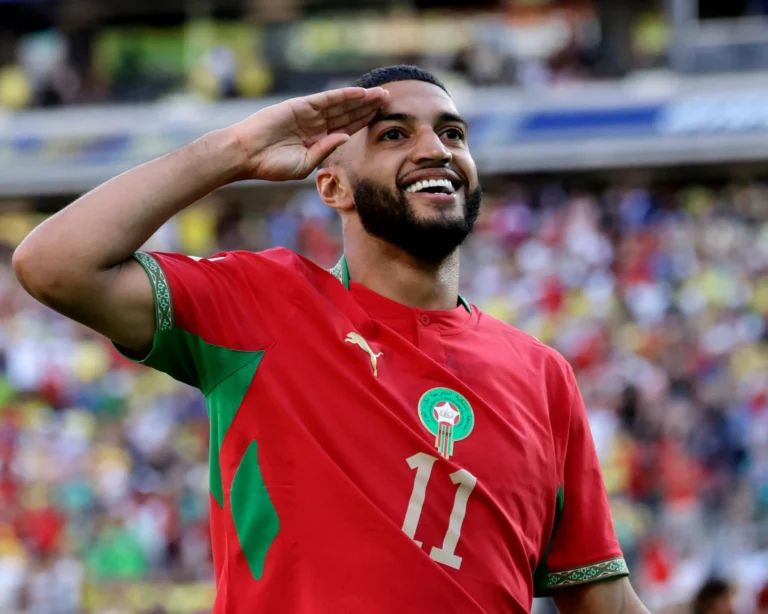
Morocco secured their place in the knockout stages of the 2026 FIFA World Cup with an entertaining 4-2 victory over Haiti in a thrilling Group C encounter. Two late goals from Soufiane Rahimi and Gessime Yassine sealed the win for the Atlas Lions after Haiti had threatened to spoil the party with a spirited second-half comeback.
The result ensured Morocco finished second in Group C behind tournament favourites Brazil, while Haiti exited the competition despite producing one of their most impressive performances of the campaign. For long periods, the Caribbean side matched their more experienced opponents and demonstrated tremendous determination, but Morocco’s superior quality eventually proved decisive.
Heading into the final round of group fixtures, Morocco knew victory would guarantee progression to the Round of 32 regardless of events elsewhere. The North Africans had opened their campaign with an impressive draw against Brazil before securing a narrow victory over Scotland, leaving them in a strong position to qualify.
Haiti, meanwhile, entered the contest with slim hopes of advancing. Having lost to Scotland and Brazil in their opening matches, they needed a significant victory and favourable results elsewhere to keep their World Cup dream alive.

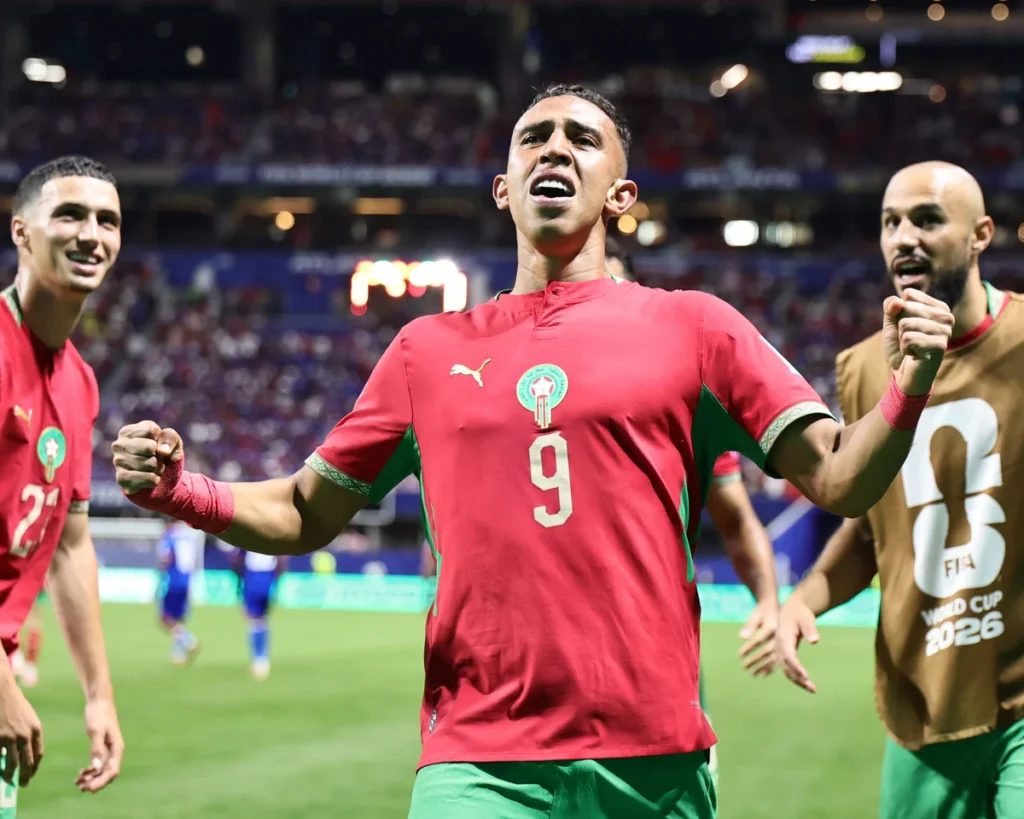
With so much at stake, both teams approached the match with urgency. Morocco looked confident in possession from the opening whistle, while Haiti sought to play with energy and directness whenever opportunities arose.
The Atlas Lions quickly established control of the midfield, circulating the ball effectively and forcing Haiti to spend extended periods defending inside their own half. However, the Haitian players remained disciplined and organised, frustrating Morocco during the opening stages.
The first breakthrough arrived after a spell of sustained pressure. Morocco worked the ball patiently across the pitch before creating space inside the penalty area. A well-constructed attacking move ended with a composed finish that gave Haiti’s goalkeeper little chance and handed the Atlas Lions an important early lead.
The goal settled Moroccan nerves and appeared to put them firmly in command. Their passing became more fluid, while their confidence grew with every attack.
Haiti, however, refused to be intimidated. Rather than retreat further into defence, they responded positively and began creating problems of their own. Their pace on the counterattack caused concern among Morocco’s defenders, who suddenly found themselves under pressure.
The equaliser arrived through a swift attacking move that caught the Moroccan defence off balance. Haiti moved the ball quickly from midfield into the final third before producing a clinical finish to level the score and ignite celebrations among their supporters.
At 1-1, the match became increasingly open. Both sides recognised the importance of victory and pushed forward whenever possible.
Morocco regained the lead before half-time through another well-worked attacking sequence. The move showcased the technical quality that has become synonymous with the Atlas Lions in recent years. Quick passing and intelligent movement created space, allowing Morocco to restore their advantage heading into the break.
Although Morocco entered the dressing room ahead, Haiti could take encouragement from their performance. They had shown resilience, determination, and attacking ambition against one of Africa’s strongest national teams.
The second half began with Haiti displaying even greater belief. Knowing they had little to lose, they committed players forward and pressed aggressively in search of another equaliser.
Their efforts were rewarded midway through the second half when they found a second goal. A dangerous attack exposed weaknesses in Morocco’s defensive organisation, and Haiti capitalised with an excellent finish that once again brought the scores level.
At 2-2, tension spread throughout the stadium. Morocco had looked comfortable earlier in the contest, but Haiti’s fighting spirit had transformed the match into a genuine battle.
The Atlas Lions suddenly faced the prospect of dropping valuable points in a game they had been expected to win. While a draw might still have been enough to secure qualification, Morocco were determined to finish the group stage strongly.
Head coach Walid Regragui responded by introducing fresh attacking options from the bench. The substitutions injected new energy into Morocco’s forward line and increased the pressure on a tiring Haitian defence.
As the clock ticked towards full-time, Morocco intensified their attacks. Haiti continued to defend bravely, throwing bodies in front of shots and working tirelessly to maintain parity.
For a while, it appeared their resistance might hold.
However, in the closing stages, Morocco’s quality finally made the difference.
With only minutes remaining, Soufiane Rahimi produced a decisive moment. The forward found space inside the penalty area and demonstrated excellent composure to convert a crucial chance, putting Morocco ahead 3-2 and sending the Atlas Lions supporters into celebration.
The goal was a devastating blow for Haiti, who had worked incredibly hard to remain level throughout the contest. Yet they still attempted to respond, pushing forward in search of another equaliser.
Their attacking approach left spaces at the back, and Morocco exploited them ruthlessly.
Deep into stoppage time, Gessime Yassine added a fourth goal to complete the victory. A swift counterattack carved open the Haitian defence before Yassine applied the finishing touch, ensuring there would be no late drama.
The final whistle confirmed a 4-2 victory for Morocco and sparked celebrations among players and fans alike.
For Morocco, the result represented another important step in their remarkable football journey. Following their historic achievements in recent international tournaments, expectations have risen significantly around the national team.
This performance demonstrated both strengths and weaknesses. Going forward, Morocco looked dangerous and creative, scoring four goals and generating numerous opportunities. Their attacking depth was particularly impressive, with substitutes making meaningful contributions when the team needed them most.
At the same time, conceding twice against Haiti will provide areas for reflection. Defensive concentration occasionally slipped, allowing opponents to create chances that stronger knockout-stage teams may punish more severely.

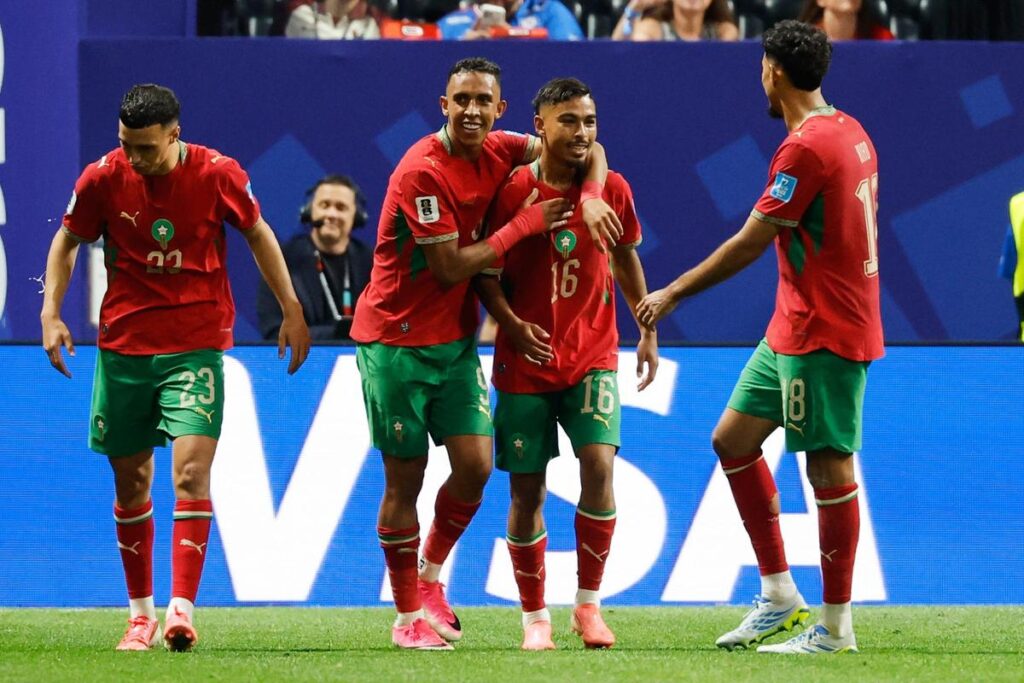
Nevertheless, the overall outcome was overwhelmingly positive.
Soufiane Rahimi’s late contribution highlighted his growing importance within the squad. His ability to deliver under pressure proved invaluable, while Gessime Yassine’s goal provided further evidence of Morocco’s attacking options.
For Haiti, elimination from the tournament will undoubtedly be disappointing, but there are many positives to take from their campaign. Against a highly regarded Moroccan side, they displayed courage, skill, and determination.
Scoring twice against one of Africa’s leading teams reflected the progress Haiti has made on the international stage. Their players competed with passion and represented their nation with pride throughout the tournament.
While the result did not go their way, the experience gained at a World Cup could prove valuable for future competitions.
The victory means Morocco advance to the knockout rounds as Group C runners-up behind Brazil. The Atlas Lions now turn their attention to the challenges ahead, knowing the competition will become increasingly difficult from this point forward.
Confidence within the squad will be high after securing qualification, but they will also understand that improvements will be necessary against stronger opposition.
Brazil may have topped the group, yet Morocco’s performances have shown they are capable of causing problems for any team in the tournament. Their blend of technical quality, tactical organisation, and fighting spirit makes them a dangerous opponent.
As Group C concluded, Morocco celebrated progression, Haiti departed with heads held high, and fans were treated to one of the most entertaining matches of the group stage.
A dramatic evening ultimately belonged to the Atlas Lions, whose late surge ensured a memorable 4-2 victory and secured their place in the World Cup knockout rounds.championclick.com