


Norway’s bright start was rewarded midway through the opening half. Nusa collected the ball on the left wing, cut inside his marker and combined neatly with a teammate before curling an excellent finish beyond the reach of the goalkeeper. The well-worked move reflected Norway’s confidence and gave them a deserved 1-0 advantage after dominating much of the early exchanges.
Ivory Coast responded positively after falling behind and gradually began to enjoy more possession. Their midfield worked tirelessly to close down Norway’s passing lanes, while the wide players looked to stretch the Norwegian defence. Despite increasing pressure, however, clear-cut chances remained limited as Norway defended with discipline and composure.
Haaland was closely marked throughout the first half, often surrounded by two defenders whenever he received possession. Although the striker found little space inside the penalty area, his intelligent movement continued to occupy the Ivory Coast back line and create opportunities for teammates arriving from midfield.
The second half saw Ivory Coast emerge with renewed purpose. Their manager introduced attacking reinforcements, adding fresh energy to the forward line and increasing the pressure on Norway’s defence. The substitutions immediately changed the rhythm of the match as Ivory Coast committed more players forward and forced Norway deeper into their own half.
The equaliser eventually arrived after a sustained spell of pressure. Amad Diallo, who had made an immediate impact after coming off the bench, found space inside the penalty area and calmly guided his finish into the net to make it 1-1. The goal sparked huge celebrations among the Ivory Coast supporters and shifted the momentum firmly in their team’s favour.
With the scores level, Ivory Coast sensed an opportunity to complete the comeback. Their confidence grew with every attack as they continued to push forward, forcing Norway into a series of desperate clearances. Norway struggled to regain possession and spent long periods defending around their own penalty area.
Despite the pressure, Norway gradually settled and began to threaten once again on the counterattack. Midfielders worked hard to regain control, while Nusa and Oscar Bobb carried the ball forward whenever opportunities arose. Haaland remained patient despite receiving limited service, always searching for the one chance that could decide the contest.
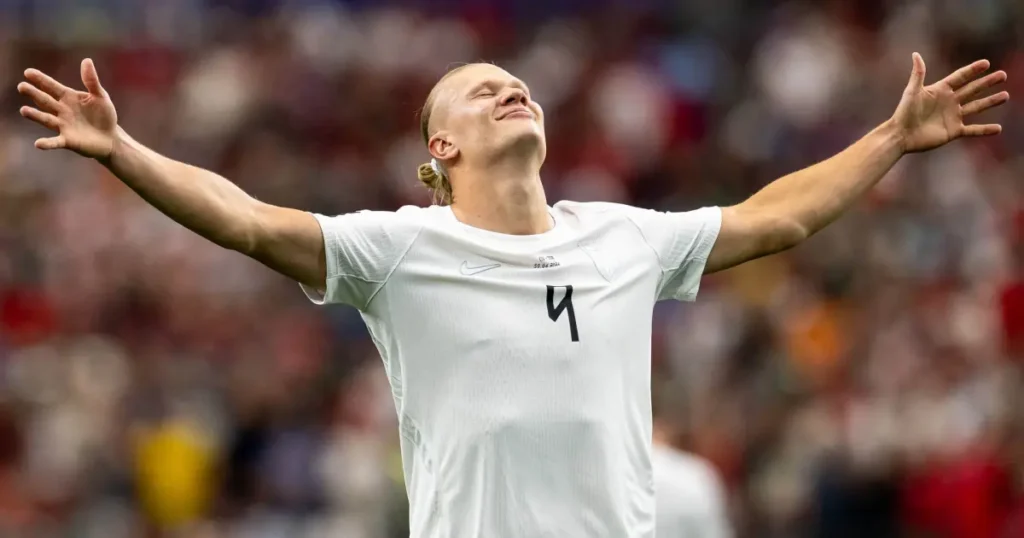
That decisive opportunity arrived in the closing stages. Norway delivered a dangerous ball into the penalty area, creating confusion among the Ivory Coast defenders. The loose ball fell invitingly for Haaland, who reacted quicker than everyone else and fired a clinical finish into the net from close range. The Norwegian captain celebrated passionately as teammates rushed to congratulate him, knowing the goal had likely secured their place in the next round.
Ivory Coast threw everything forward during the remaining minutes in a desperate attempt to force extra time. Long balls, crosses and set pieces tested Norway’s defence, but the Scandinavian side remained organised under pressure. Every player contributed defensively, blocking shots and clearing dangerous deliveries before the referee finally brought the contest to an end.
The victory highlighted Norway’s growing maturity on the international stage. Rather than panicking after conceding the equaliser, they remained composed and waited for the right opportunity to strike. Their defensive organisation and clinical finishing ultimately proved the difference in a closely contested match.
For Haaland, the winning goal added another memorable chapter to his already impressive international career. The striker once again demonstrated why he is regarded as one of the world’s most dangerous forwards, requiring only a single clear opportunity to make the decisive contribution. Although heavily marked throughout the match, he never stopped working for his team and was rewarded with the moment that sent Norway into the last 16.
Antonio Nusa also produced an outstanding performance. His opening goal gave Norway the perfect start, while his pace and creativity consistently troubled the Ivory Coast defence. Alongside Haaland, he provided the attacking spark that helped Norway progress to the next stage of the tournament.
Ivory Coast leave the competition with disappointment but also reasons for optimism. Their second-half display showed resilience and determination, and they looked capable of completing the comeback after Diallo’s equaliser. The substitute’s lively performance changed the game and highlighted the depth of talent within the squad, but their inability to deal with Norway’s late pressure proved costly.
The defeat will be difficult to accept after such a spirited fightback, yet Ivory Coast demonstrated throughout the tournament that they can compete with some of the strongest teams in world football. Their blend of experienced players and emerging young talent suggests they will remain a force in future international competitions.
Norway now turn their attention to an exciting Round of 16 meeting with Brazil, one of the tournament favourites. It promises to be one of the biggest tests the Norwegian side has faced in recent years, but confidence will be high after overcoming a determined Ivory Coast team in dramatic fashion.
With Haaland leading the attack and Norway showing increasing belief with every performance, they will head into the clash convinced they can challenge any opponent. Their resilience, teamwork and ability to produce decisive moments under pressure have carried them into the knockout stages, and they will hope those qualities can help extend what is already becoming one of the nation’s most memorable World Cup campaigns.
Norway booked their place in the last 16 of the 2026 FIFA World Cup after Erling Haaland scored a dramatic late winner to seal a thrilling 2-1 victory over Ivory Coast in an absorbing Round of 32 contest. The Scandinavian side looked to be heading for extra time after Ivory Coast fought back to level the score in the second half, but Haaland struck when it mattered most, sending Norway through to a mouthwatering last-16 clash against Brazil.
The knockout tie began at a high tempo, with both teams eager to stamp their authority on the game. Norway settled more quickly, keeping possession confidently and looking to exploit the pace of Antonio Nusa and the movement of Haaland in attack. Ivory Coast, meanwhile, relied on their athleticism and quick transitions, hoping to catch Norway on the break.
Norway’s bright start was rewarded midway through the opening half. Nusa collected the ball on the left wing, cut inside his marker and combined neatly with a teammate before curling an excellent finish beyond the reach of the goalkeeper. The well-worked move reflected Norway’s confidence and gave them a deserved 1-0 advantage after dominating much of the early exchanges.
Ivory Coast responded positively after falling behind and gradually began to enjoy more possession. Their midfield worked tirelessly to close down Norway’s passing lanes, while the wide players looked to stretch the Norwegian defence. Despite increasing pressure, however, clear-cut chances remained limited as Norway defended with discipline and composure.
Haaland was closely marked throughout the first half, often surrounded by two defenders whenever he received possession. Although the striker found little space inside the penalty area, his intelligent movement continued to occupy the Ivory Coast back line and create opportunities for teammates arriving from midfield.
The second half saw Ivory Coast emerge with renewed purpose. Their manager introduced attacking reinforcements, adding fresh energy to the forward line and increasing the pressure on Norway’s defence. The substitutions immediately changed the rhythm of the match as Ivory Coast committed more players forward and forced Norway deeper into their own half.
The equaliser eventually arrived after a sustained spell of pressure. Amad Diallo, who had made an immediate impact after coming off the bench, found space inside the penalty area and calmly guided his finish into the net to make it 1-1. The goal sparked huge celebrations among the Ivory Coast supporters and shifted the momentum firmly in their team’s favour.
With the scores level, Ivory Coast sensed an opportunity to complete the comeback. Their confidence grew with every attack as they continued to push forward, forcing Norway into a series of desperate clearances. Norway struggled to regain possession and spent long periods defending around their own penalty area.
Despite the pressure, Norway gradually settled and began to threaten once again on the counterattack. Midfielders worked hard to regain control, while Nusa and Oscar Bobb carried the ball forward whenever opportunities arose. Haaland remained patient despite receiving limited service, always searching for the one chance that could decide the contest.
That decisive opportunity arrived in the closing stages. Norway delivered a dangerous ball into the penalty area, creating confusion among the Ivory Coast defenders. The loose ball fell invitingly for Haaland, who reacted quicker than everyone else and fired a clinical finish into the net from close range. The Norwegian captain celebrated passionately as teammates rushed to congratulate him, knowing the goal had likely secured their place in the next round.
Ivory Coast threw everything forward during the remaining minutes in a desperate attempt to force extra time. Long balls, crosses and set pieces tested Norway’s defence, but the Scandinavian side remained organised under pressure. Every player contributed defensively, blocking shots and clearing dangerous deliveries before the referee finally brought the contest to an end.
The victory highlighted Norway’s growing maturity on the international stage. Rather than panicking after conceding the equaliser, they remained composed and waited for the right opportunity to strike. Their defensive organisation and clinical finishing ultimately proved the difference in a closely contested match.
For Haaland, the winning goal added another memorable chapter to his already impressive international career. The striker once again demonstrated why he is regarded as one of the world’s most dangerous forwards, requiring only a single clear opportunity to make the decisive contribution. Although heavily marked throughout the match, he never stopped working for his team and was rewarded with the moment that sent Norway into the last 16.
Antonio Nusa also produced an outstanding performance. His opening goal gave Norway the perfect start, while his pace and creativity consistently troubled the Ivory Coast defence. Alongside Haaland, he provided the attacking spark that helped Norway progress to the next stage of the tournament.
Ivory Coast leave the competition with disappointment but also reasons for optimism. Their second-half display showed resilience and determination, and they looked capable of completing the comeback after Diallo’s equaliser. The substitute’s lively performance changed the game and highlighted the depth of talent within the squad, but their inability to deal with Norway’s late pressure proved costly.
The defeat will be difficult to accept after such a spirited fightback, yet Ivory Coast demonstrated throughout the tournament that they can compete with some of the strongest teams in world football. Their blend of experienced players and emerging young talent suggests they will remain a force in future international competitions.
Norway now turn their attention to an exciting Round of 16 meeting with Brazil, one of the tournament favourites. It promises to be one of the biggest tests the Norwegian side has faced in recent years, but confidence will be high after overcoming a determined Ivory Coast team in dramatic fashion.
With Haaland leading the attack and Norway showing increasing belief with every performance, they will head into the clash convinced they can challenge any opponent. Their resilience, teamwork and ability to produce decisive moments under pressure have carried them into the knockout stages, and they will hope those qualities can help extend what is already becoming one of the nation’s most memorable World Cup campaigns.