


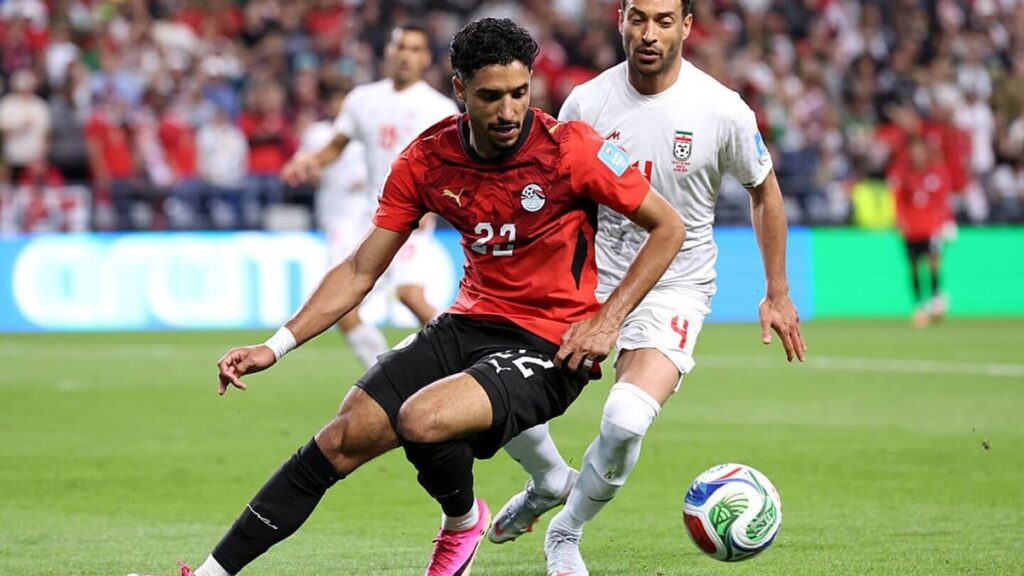
Egypt and Iran produced one of the most dramatic matches of the 2026 FIFA World Cup group stage as they battled to a 1-1 draw in Seattle. The match delivered everything football fans could hope for—high intensity, end-to-end action, controversial decisions, and a breathtaking finale that left supporters from both nations on the edge of their seats. Iran believed they had secured a famous late victory when veteran defender Shoja Khalilzadeh headed into the net in stoppage time, only for the goal to be ruled out for offside after a lengthy VAR review.
The result was enough to send Egypt through to the knockout stages, while Iran’s World Cup journey came to a heartbreaking end after missing out by the smallest of margins.
Both teams entered the final Group G fixture knowing that qualification was still within reach. Belgium’s simultaneous match against New Zealand also had a major impact on the standings, meaning every goal scored in Seattle could influence the final positions. The tension inside the stadium was evident from kickoff as players understood the enormous stakes.
Iran started brightly, pressing high and attempting to force mistakes from the Egyptian defence. Their midfield controlled possession during the opening exchanges, while Egypt remained disciplined, looking to exploit spaces on the counterattack through their pace in wide areas.
Despite Iran’s positive start, Egypt gradually settled into the match and began creating dangerous opportunities of their own. The African side moved the ball confidently through midfield and looked threatening whenever they attacked down the flanks. Their patient build-up eventually paid off midway through the first half.
After a flowing team move, Egypt found the breakthrough with a composed finish inside the penalty area. The goal sparked wild celebrations among the Egyptian supporters, knowing that it placed their team in a strong position to qualify for the knockout rounds. Iran suddenly faced an uphill battle and responded by increasing the tempo of their attacks before halftime.
The remainder of the first half was fiercely contested, with both goalkeepers making important saves. Egypt defended well under pressure while Iran continued searching for an equaliser before the interval. However, Egypt carried their narrow 1-0 advantage into the dressing room.
The second half produced even greater excitement as Iran pushed more players forward in search of the goal they desperately needed. Their attacking intent left more space for Egypt on the counterattack, resulting in an open and entertaining contest.
Egypt had several opportunities to extend their lead but were denied by excellent goalkeeping and some determined defending. Those missed chances nearly proved costly as Iran gradually built momentum during the final thirty minutes.
The equaliser finally arrived when Iran capitalised on sustained pressure around Egypt’s penalty area. A dangerous cross created confusion inside the box before the ball was finished from close range to make it 1-1. The goal reignited Iran’s hopes of reaching the knockout stage and transformed the closing stages into a frantic battle.
With both teams aware of the implications elsewhere in Group G, neither side settled for the draw. Egypt continued searching for a winning goal that would guarantee progression, while Iran knew another goal might completely change their World Cup fate.
The final minutes became increasingly dramatic. Egypt defended bravely against wave after wave of Iranian attacks, while the Iranian supporters inside the stadium urged their team forward with every possession.
Deep into stoppage time came the moment that appeared destined to become one of the tournament’s greatest stories. From a set-piece delivery into the penalty area, experienced defender Shoja Khalilzadeh rose highest to power a header into the back of the net. Iranian players celebrated wildly, believing they had secured a dramatic victory and a place in the knockout rounds.
However, celebrations were soon interrupted as the assistant referee kept the flag down while the Video Assistant Referee initiated a review. After anxious moments for both teams, the replay showed Khalilzadeh had drifted just beyond the final Egyptian defender before making contact with the ball.
The referee confirmed the decision after consulting VAR, ruling the goal out for offside. The stadium experienced an incredible swing of emotions as Egyptian players celebrated the decision while Iranian players collapsed to the ground in disbelief.
The final whistle arrived shortly afterwards, confirming the 1-1 draw. Egypt’s players embraced at full-time after securing qualification, while Iran were left reflecting on how close they had come to producing one of the most memorable finishes of the group stage.
Egypt’s defensive organisation throughout the match played a vital role in earning the valuable point. Although they faced sustained pressure, particularly during the second half, they remained disciplined and limited Iran’s clear-cut opportunities for long periods.
Iran, meanwhile, earned praise for their determination and attacking spirit. They refused to give up despite falling behind and fought until the very final moments. Their performance demonstrated resilience, commitment, and belief, even though fortune ultimately did not favour them.
Shoja Khalilzadeh’s disallowed goal will undoubtedly remain one of the defining moments of Iran’s tournament. The experienced defender came within inches of becoming a national hero before the offside decision denied him and his teammates a place in the next round.
The match also highlighted the growing influence of VAR in modern football. While the technology delivered the correct decision according to the Laws of the Game, it also created one of the tournament’s most emotionally charged moments as joy instantly turned into heartbreak.
For Egypt, the draw represented another significant achievement on the international stage. The team demonstrated composure under immense pressure and showed they possess both defensive resilience and attacking quality as they prepare for the knockout rounds.
Belgium’s victory over New Zealand ensured they finished top of Group G, while Egypt progressed as runners-up after collecting the crucial point against Iran. The final standings reflected how competitive the group had been throughout the tournament.
As the World Cup moves into the knockout stage, Egypt will hope their resilience in Seattle provides momentum for the challenges ahead. Iran, meanwhile, leave the competition with pride despite the disappointment, knowing they came within moments of extending their World Cup journey. Their dramatic encounter with Egypt will be remembered as one of the most thrilling matches of the 2026 FIFA World Cup group stage, a contest decided by the narrowest of margins and one unforgettable VAR decision.