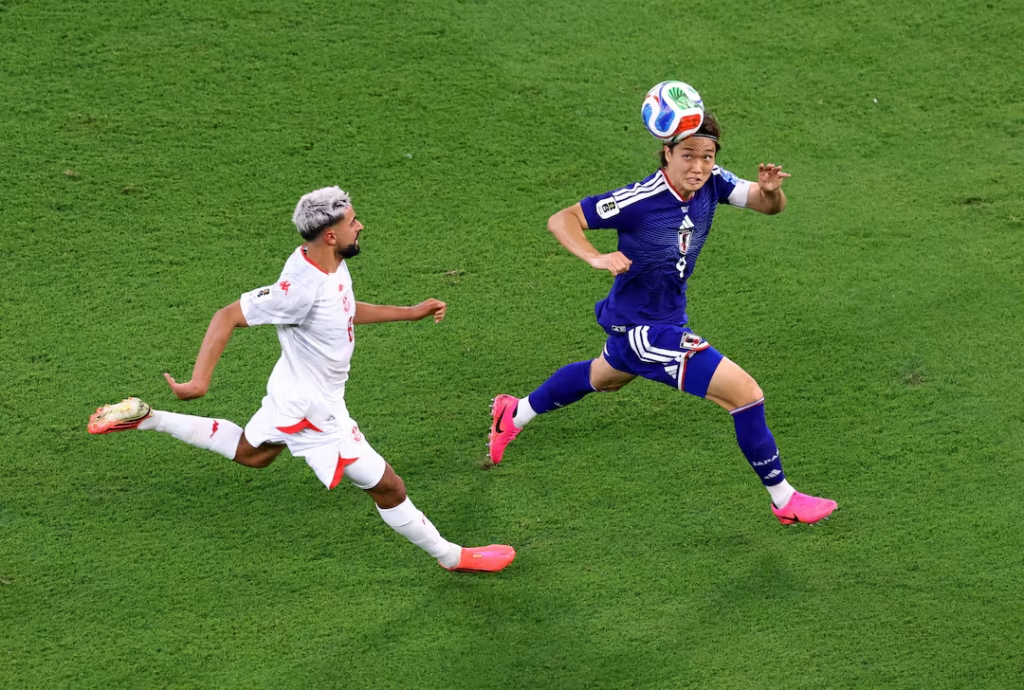
2026 FIFA World Cup dreams came to a painful end for Tunisia after a heavy 4–0 defeat against Japan. The result highlighted the difference between a Japanese side full of confidence and a Tunisian team that struggled to find solutions during a difficult tournament campaign.
Japan entered the match determined to secure a convincing victory and produced a performance built on speed, discipline, and attacking efficiency. Tunisia, meanwhile, needed a strong result to keep their hopes alive but found themselves overwhelmed by Japan’s movement, pressing, and clinical finishing.
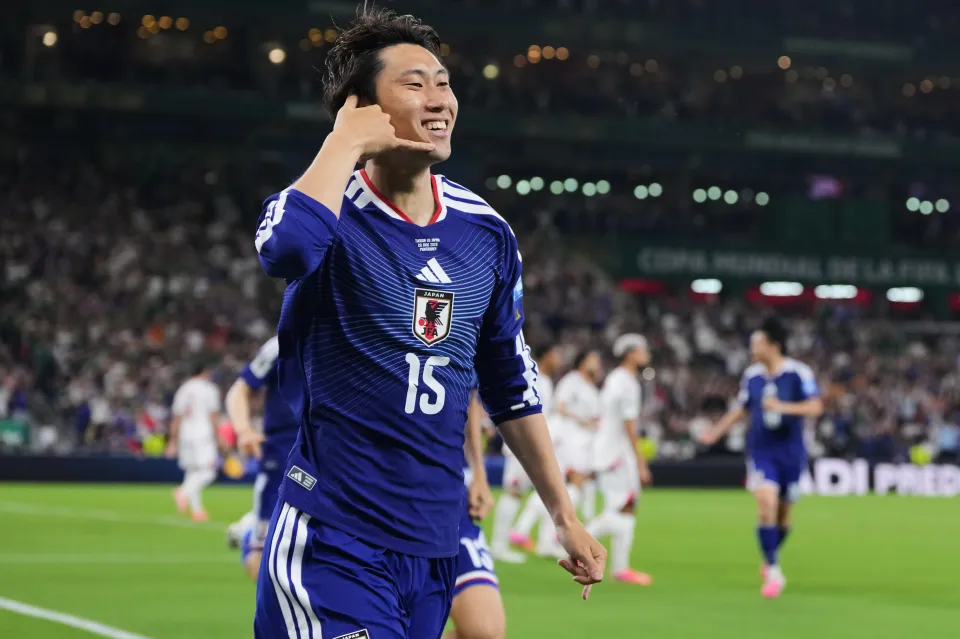
The main star of the match was Ayase Ueda, who scored twice to lead Japan’s attacking charge. His goals showed his ability to find space inside the penalty area and punish defensive mistakes. Ueda’s performance was one of the biggest highlights of Japan’s impressive display.
From the beginning of the match, Japan looked more comfortable in possession. Their players moved the ball quickly, creating problems for Tunisia’s defensive structure. Japan’s midfield controlled the rhythm of the game, while their attackers constantly searched for openings behind the Tunisian back line.
Tunisia attempted to remain organized and defend with discipline, but Japan’s pressure eventually became too difficult to handle. The Japanese team continued to create chances, forcing Tunisia to spend long periods defending rather than building attacks of their own.
Ueda opened the scoring after Japan created pressure around the Tunisian penalty area. The goal gave Japan confidence and increased the pressure on Tunisia, who were forced to take more risks in search of an equalizer.
However, Tunisia struggled to create clear opportunities. Their attacking players found it difficult to break through Japan’s defensive organization, and many of their attempts ended before reaching the final third. Japan’s defenders remained focused and limited Tunisia’s ability to threaten the goal.
As the match continued, Japan became even more dangerous. Their quick transitions allowed them to exploit spaces left behind by Tunisia’s attempts to attack. Every time Tunisia moved forward, Japan looked capable of creating another chance on the counterattack.
Ueda added his second goal of the match, further damaging Tunisia’s hopes. His finishing demonstrated the confidence and composure that Japan showed throughout the game. With a two-goal advantage, Japan controlled the match and forced Tunisia into a difficult situation.
The second half continued in the same direction, with Japan maintaining control and Tunisia struggling to change the momentum. Japan’s players showed excellent teamwork, combining individual skill with a strong tactical approach.
Further goals completed a memorable victory for Japan. The final score of 4–0 reflected Japan’s dominance and Tunisia’s disappointing performance. For Japanese supporters, it was a result that demonstrated their team’s ambition and quality on the world stage.
For Tunisia, the defeat represented a frustrating conclusion to their tournament journey. The team had hoped to compete strongly but could not find the consistency needed against stronger opponents. Defensive mistakes, limited attacking opportunities, and difficulty maintaining possession contributed to their disappointing result.
Despite the defeat, Tunisia’s participation in the tournament provided valuable experience for their players. Competing against some of the world’s best teams remains an important opportunity for development, and lessons from difficult matches can help the team improve in future competitions.
Japan, on the other hand, continued to show why they have become one of Asia’s strongest football nations. Their preparation, tactical discipline, and attacking confidence allowed them to deliver one of their most impressive performances of the tournament.
The victory also increased expectations around Japan’s potential progress. A team capable of scoring four goals while maintaining defensive control can become a serious challenge for opponents in later stages of the competition.
The match between Tunisia and Japan was a clear example of the importance of efficiency in football. Japan took advantage of their chances, while Tunisia struggled to convert their opportunities into meaningful attacks. At the highest level of international football, small mistakes can quickly change the direction of a match.
For Ueda, the night was particularly memorable. Scoring twice in a World Cup match is a major achievement and helped establish him as one of Japan’s key attacking figures. His movement, finishing, and confidence provided a major boost to his team.
Japan’s victory was not only about the scoreline but also about the overall performance. They showed patience when needed, aggression when attacking, and discipline when defending. Tunisia, despite their efforts, could not match Japan’s intensity and quality.
The final whistle confirmed a disappointing exit for Tunisia and a statement victory for Japan. While one team left the tournament with frustration, the other moved forward with renewed belief and confidence.
In football, tournaments often create moments that define teams and players. This match will be remembered as a night when Japan delivered a powerful performance and when Ayase Ueda championclick.com