


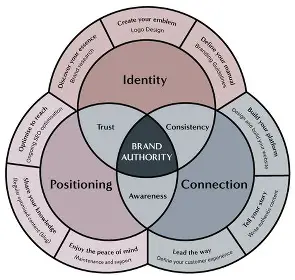
As artificial intelligence continues to transform the digital landscape, businesses around the world are adapting their marketing strategies to remain competitive. The rapid growth of AI-powered search tools, virtual assistants, and intelligent recommendation systems is changing how consumers discover information and interact with brands online. In this evolving environment, brand authority has become more important than ever. Companies are increasingly focusing on building trust, credibility, and expertise to ensure they remain visible and relevant in the AI era.
Brand authority refers to the level of trust and recognition a business earns within its industry. It is built through consistent performance, valuable content, customer satisfaction, and demonstrated expertise. In the past, businesses could often rely heavily on traditional search engine optimization techniques to gain visibility online. However, as AI technologies become more sophisticated, simply ranking for keywords is no longer enough. AI systems are increasingly designed to identify and prioritize sources that appear reliable, authoritative, and trustworthy.
One of the key reasons brand authority matters more today is the changing nature of online search. AI-powered search platforms are becoming capable of providing direct answers to users rather than simply displaying lists of websites. These systems analyze large amounts of information and attempt to deliver the most accurate and relevant responses. As a result, businesses that have established strong reputations and consistently publish high-quality content are more likely to be referenced or highlighted by AI-driven search experiences.
To strengthen brand authority, many organizations are investing heavily in expert-driven content. Consumers are increasingly seeking reliable information from credible sources, particularly when making purchasing decisions. Businesses are responding by creating detailed articles, research reports, industry insights, case studies, and educational resources that demonstrate expertise. By consistently sharing valuable knowledge, companies can position themselves as trusted leaders within their fields.
Thought leadership has also become a major component of modern branding strategies. Industry leaders, executives, and subject matter experts are using blogs, interviews, podcasts, webinars, and social media platforms to share insights and perspectives on important topics. These activities help businesses establish credibility while creating stronger connections with their audiences. When customers view a company as a knowledgeable authority, they are more likely to trust its products, services, and recommendations.
Consistency across digital channels plays a crucial role in building brand authority. Today’s consumers interact with brands through multiple touchpoints, including websites, social media platforms, email campaigns, online reviews, and customer support channels. Businesses must ensure that their messaging, values, and expertise remain consistent across all these platforms. Consistent communication helps reinforce trust and creates a more recognizable brand identity.
Customer trust has become one of the most valuable assets a business can possess. In an age where misinformation and low-quality content are widespread, consumers are becoming more selective about the sources they trust. Companies that prioritize transparency, honesty, and customer satisfaction are better positioned to earn long-term loyalty. Positive customer experiences, authentic reviews, and responsive support contribute significantly to strengthening a brand’s reputation.
The rise of AI has also increased the importance of content quality. Search algorithms and AI systems are becoming better at evaluating the usefulness, relevance, and accuracy of information. Businesses can no longer rely on keyword stuffing or low-value content to attract traffic. Instead, they must focus on creating informative, well-researched, and engaging materials that genuinely help users solve problems or answer questions. High-quality content not only improves visibility but also reinforces authority and trustworthiness.
Another factor driving the emphasis on brand authority is the growing competition in digital markets. The internet allows businesses of all sizes to compete on a global scale. While this creates opportunities, it also makes it more difficult to stand out. Companies with strong reputations often have an advantage because customers are more likely to choose brands they recognize and trust. Authority serves as a differentiator that can influence purchasing decisions and encourage customer loyalty.
Social proof continues to be a powerful element of brand building. Testimonials, customer reviews, case studies, and endorsements help demonstrate credibility to potential customers. Businesses are actively encouraging satisfied customers to share their experiences online, as positive feedback can significantly influence public perception. In many cases, prospective buyers place as much trust in customer reviews as they do in direct marketing messages.
Partnerships and collaborations are also helping organizations strengthen their authority. Working with respected industry experts, organizations, and influencers can enhance a brand’s credibility and expand its reach. Strategic partnerships allow businesses to access new audiences while benefiting from the trust already established by their collaborators. These relationships can contribute to stronger brand recognition and increased market influence.
Data-driven decision-making has become an important component of authority-building strategies. Companies now have access to advanced analytics tools that provide insights into customer behavior, content performance, and audience engagement. By analyzing this data, businesses can better understand what resonates with their audiences and refine their communication strategies accordingly. Effective use of data allows brands to deliver more relevant experiences and strengthen relationships with customers.
The future of brand authority will likely be shaped by ongoing advancements in artificial intelligence. AI systems are expected to become even more sophisticated in evaluating information quality, source credibility, and user trust signals. Businesses that invest in expertise, transparency, and long-term reputation management today will be better prepared for these changes. Building authority is no longer a short-term marketing tactic but a strategic priority that supports sustainable growth.
Industry analysts believe that companies with strong brand authority will enjoy significant advantages as AI-powered technologies continue to evolve. Trusted brands are more likely to be recommended by intelligent systems, referenced in AI-generated responses, and chosen by consumers seeking reliable information. These benefits can lead to increased visibility, stronger customer loyalty, and improved business performance.
In conclusion, the AI era is reshaping the way businesses approach marketing and brand development. Success is increasingly dependent on trust, expertise, and credibility rather than simple visibility alone. Companies are investing in expert content, thought leadership, consistent messaging, and customer-focused strategies to strengthen their authority in the marketplace. As artificial intelligence becomes a larger part of how information is discovered and consumed, businesses that prioritize brand authority will be better positioned to thrive in a highly competitive digital environment. For organizations seeking long-term success, building trust and credibility has never been more important than it is today.