


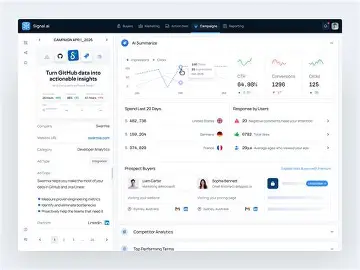
Artificial intelligence is transforming advertising faster than any previous technological innovation. In 2026, AI-powered advertising systems are helping businesses create more personalized, efficient, and profitable marketing campaigns.
Traditional advertising often required marketers to manually analyze data, select target audiences, and optimize campaign performance. Today, AI systems can perform these tasks automatically and in real time. This allows businesses to reach customers more effectively while reducing wasted advertising spending.
One major advantage of AI advertising is personalization. Modern algorithms analyze customer behavior, browsing patterns, purchase history, and engagement metrics to deliver highly relevant advertisements. Consumers are more likely to interact with messages that match their interests and needs.
AI is also improving creative development. Businesses can use generative AI tools to produce advertising copy, social media content, email campaigns, and promotional materials quickly. This reduces production costs and allows marketers to test multiple creative variations simultaneously.
Predictive analytics is another area where AI is making a significant impact. By analyzing historical data, AI systems can forecast customer behavior and identify opportunities before competitors recognize them. This enables businesses to make smarter marketing decisions.
Despite its benefits, AI advertising raises important questions regarding privacy, transparency, and ethical use. Marketers must ensure that automated systems operate responsibly and maintain consumer trust.
Experts believe AI will become even more integrated into advertising operations in the coming years. Businesses that successfully combine human creativity with AI-powered efficiency are expected to achieve the strongest marketing results.