
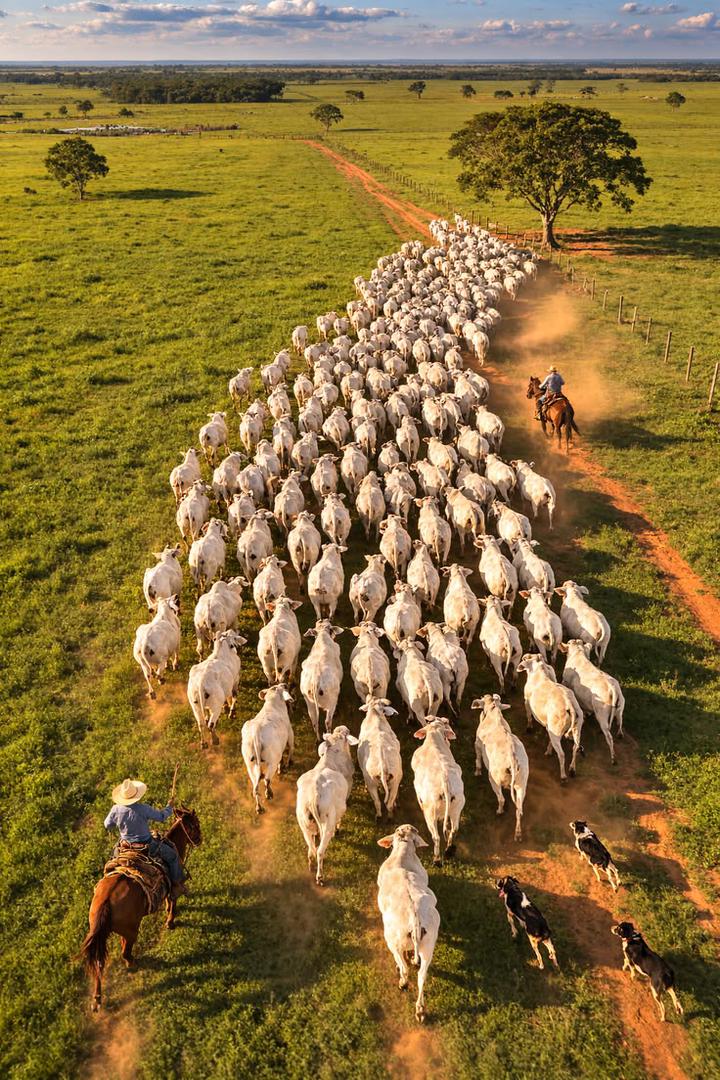
A recent outbreak of screwworm cases in cattle across Texas has raised serious concerns among farmers, economists, and industry experts. The parasitic infection, known for its damaging effects on livestock, could lead to significant disruptions in the cattle industry if not contained quickly. As a result, there are growing warnings that beef prices may rise in the coming months, especially if the outbreak continues to spread.
Screwworm is a dangerous parasite that affects warm-blooded animals, including cattle. The larvae of the screwworm fly feed on the living tissue of animals, causing painful wounds and severe infections. If left untreated, the condition can lead to serious health complications and even death. Because of its destructive nature, screwworm has long been a major concern for livestock producers.
In the United States, screwworm was largely eradicated decades ago through coordinated prevention and monitoring programs. These efforts included strict surveillance, rapid response measures, and advanced control techniques such as the release of sterile flies to reduce reproduction. However, recent reports suggest that some of these prevention and monitoring programs were reduced or scaled back over time. This may have weakened early detection systems and allowed the current outbreak to develop more easily.
Farmers in Texas are now facing the consequences of this reduced vigilance. As cases begin to appear, there is growing concern that the infection could spread to other regions if immediate action is not taken. Livestock producers are being urged to inspect their animals carefully, report any suspected cases, and follow recommended treatment procedures. Early detection is critical in controlling the spread of screwworm and minimizing damage to herds.
The potential economic impact of the outbreak is significant. The cattle industry plays a vital role in the agricultural economy, and any disruption to livestock health can have wide-reaching effects. When cattle become infected, farmers may face losses due to reduced productivity, increased veterinary costs, and, in severe cases, the death of animals. These challenges can quickly add up, putting financial pressure on producers.
Economists warn that a decline in cattle supply could lead to higher beef prices for consumers. If the outbreak continues and affects a large number of animals, the overall supply of beef in the market may decrease. At the same time, demand for beef is likely to remain steady or even increase. This imbalance between supply and demand can result in rising prices, making beef more expensive for households.
The situation is particularly concerning because it comes at a time when many consumers are already facing higher food costs. Any additional increase in beef prices could further strain household budgets. For businesses that rely on beef, such as restaurants and food service providers, rising costs may lead to higher menu prices or reduced profit margins.
Industry experts emphasize the importance of restoring strong prevention and monitoring programs. Effective control of screwworm requires a coordinated effort involving government agencies, farmers, and researchers. By reintroducing comprehensive surveillance systems and rapid response strategies, it is possible to contain the outbreak and prevent further spread.
One of the most effective methods historically used to combat screwworm is the sterile insect technique. This involves releasing large numbers of sterile male flies into the environment. When these flies mate with females, no offspring are produced, gradually reducing the population of the parasite. This approach has been successful in the past and could play a key role in addressing the current outbreak.
In addition to large-scale control measures, individual farmers also have an important role to play. Regular inspection of livestock, proper wound care, and prompt treatment are essential steps in preventing the spread of infection. Farmers are encouraged to stay informed about the latest guidelines and work closely with veterinary professionals.
The outbreak also highlights the broader importance of maintaining strong agricultural biosecurity systems. Prevention programs are often costly, and there may be pressure to reduce funding during periods of low risk. However, the current situation demonstrates that cutting back on these programs can lead to greater challenges in the future. Investing in prevention and early detection is often more cost-effective than dealing with a widespread outbreak.
Another key factor is communication and awareness. Ensuring that farmers, industry stakeholders, and the public are informed about the risks and necessary اقدامات can help improve response efforts. Clear and timely communication allows for faster कार्रवाई and better coordination among all parties involved.
While the situation remains serious, there is still an opportunity to control the outbreak before it becomes a larger crisis. With prompt action, effective strategies, and strong التعاون between stakeholders, it is possible to limit the impact on both the cattle industry and consumers.
In conclusion, the screwworm outbreak in Texas serves as a reminder of the vulnerabilities within agricultural systems and the importance of ongoing vigilance. Reduced prevention efforts may have contributed to the current situation, but swift action can help prevent further escalation. If left unchecked, the outbreak could lead to higher beef prices and significant economic losses. However, with the right measures in place, the industry can overcome this challenge and protect both livestock and market stability.