
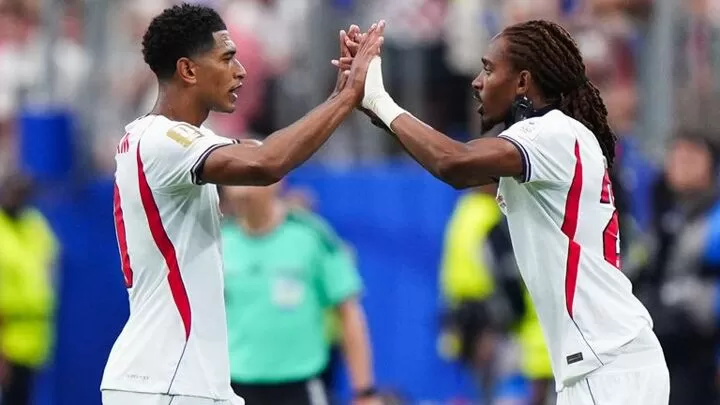
England’s goalless draw against Ghana was supposed to be another step toward building momentum at the 2026 World Cup. Instead, it raised fresh questions about the direction of the team and the decisions being made by head coach Thomas Tuchel.
While a point keeps England in a strong position within Group L, the performance itself left supporters frustrated. The Three Lions struggled to create meaningful opportunities, looked predictable in possession, and once again appeared vulnerable to the same selection and tactical issues that have followed them throughout the tournament.
For long periods, England controlled possession but failed to transform that dominance into clear chances. Ghana, meanwhile, remained compact, disciplined, and organized, ensuring that England’s attacking players found little room to operate in dangerous areas.
The result itself was not disastrous. However, the manner of the performance was concerning. England entered the contest as clear favourites and many expected a display of authority following their earlier successes. Instead, the match became another reminder that possession alone does not guarantee attacking effectiveness.
From the opening whistle, England attempted to impose themselves through patient build-up play. The defenders exchanged passes comfortably, while the midfield sought to control the rhythm of the game. Yet despite seeing plenty of the ball, the team rarely looked capable of breaking down Ghana’s defensive structure.
The African side deserves enormous credit. Ghana approached the match with a clear plan and executed it effectively. Their midfield worked tirelessly to close spaces, while their defenders remained disciplined whenever England attempted to attack through the middle.
As a result, many of England’s moves became repetitive. The ball was frequently circulated across the pitch without any real penetration. Crosses into the penalty area were often dealt with comfortably, and the attackers struggled to establish consistent connections with one another.
One of the biggest concerns was the lack of creativity in central areas. England possess technically gifted players capable of unlocking stubborn defences, yet too often they relied on predictable patterns of play. Ghana quickly adapted and appeared comfortable defending against England’s attacks.
The midfield battle highlighted another issue. While England controlled possession statistics, they lacked urgency when moving the ball forward. The transitions from defence to attack felt slow, allowing Ghana enough time to recover their shape whenever possession changed hands.
Defensively, England were relatively secure. Ghana created a handful of promising moments but rarely threatened consistently. The Three Lions’ back line dealt with most situations effectively and prevented the game from becoming more difficult.
However, defensive solidity alone will not satisfy supporters hoping to see England challenge for the World Cup title. Against stronger opponents later in the tournament, the inability to create scoring opportunities could become a serious problem.
Questions will inevitably be asked about team selection. Several players appeared uncomfortable in their assigned roles, while others struggled to influence the game. Some supporters believe certain individuals continue to receive opportunities despite inconsistent performances.
The debate surrounding England’s attacking balance has grown louder as the tournament progresses. There is no shortage of talent within the squad, yet finding the right combination remains a challenge. The draw against Ghana provided further evidence that adjustments may be needed.
Tuchel has built a reputation throughout his coaching career as a tactically sophisticated manager capable of solving complex problems. Nevertheless, international football presents unique challenges. Limited preparation time means coaches must identify solutions quickly, and every group-stage match carries enormous importance.
The German coach remained calm on the touchline throughout the game, frequently communicating instructions to his players. Yet despite his efforts, England rarely found the breakthrough many expected.
The second half followed a similar pattern to the first. England enjoyed lengthy spells of possession but struggled to create genuine danger. Ghana continued to defend intelligently and looked increasingly confident as the match progressed.
As frustration grew among England supporters, the tempo occasionally increased. A few attacking moves hinted at the possibility of a late winner, but the final pass or finish was often missing. Decision-making in key moments repeatedly let the team down.
Ghana’s players deserve praise not only for their defensive work but also for their mental resilience. Facing one of the tournament favourites can be intimidating, yet they showed composure throughout the contest. Their organization and commitment earned a valuable point.
From England’s perspective, the result highlights the importance of finding greater attacking variety. Successful World Cup teams are often capable of winning matches in multiple ways. At present, England sometimes appear overly dependent on structured possession rather than spontaneity and creativity.
There is still plenty of time for improvement. Group-stage tournaments are often about progression rather than perfection, and many champions have started slowly before discovering their best form in the knockout rounds.
Nevertheless, warning signs should not be ignored. The inability to convert territorial dominance into goals has become a recurring theme. If those issues persist, stronger opponents could punish England in later rounds.
The performance also reinforced the need for leadership on the pitch. During difficult periods, teams often require individuals capable of inspiring those around them and producing decisive moments of quality. England possess such players, but they were unable to make a significant impact against Ghana.
Supporters will hope that the coaching staff use this match as a learning experience. Tactical adjustments, personnel changes, and improved attacking movement could all help address some of the concerns exposed during the draw.
The positive aspect for England is that they remain difficult to beat. Defensive organization has generally been solid, and the team continues to collect points. However, ambitions of winning the World Cup demand more than resilience alone.
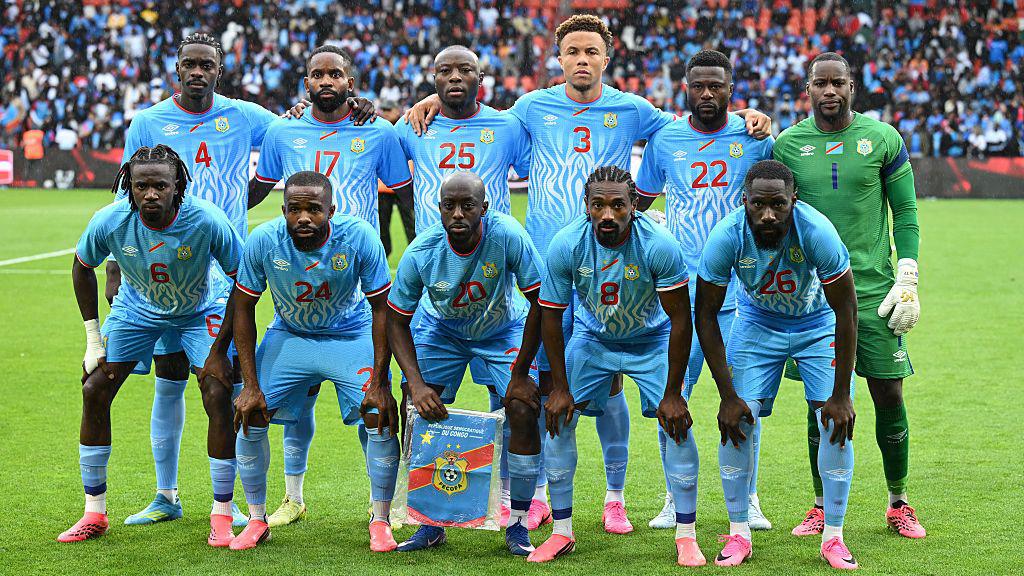
For Ghana, the draw represents a significant achievement. Taking points from one of the tournament favourites strengthens confidence and demonstrates the team’s ability to compete against elite opposition. Their disciplined approach was fully rewarded.
As the tournament continues, both teams will take lessons from this encounter. Ghana can build upon a determined performance that showcased their collective spirit, while England must search for greater creativity and attacking efficiency.
The final whistle confirmed a 0-0 draw that will likely be remembered more for its tactical battles than its entertainment value. England avoided defeat, but concerns remain. Ghana earned respect through discipline and determination, while the Three Lions left the field knowing significant improvement will be required if they are to fulfil their World Cup ambitions.
For Tuchel and his players, the challenge now is turning possession into productivity. Until that happens consistently, questions about England’s selection choices, attacking structure, and overall effectiveness are unlikely to disappear.championclick.com