
The logistics and supply chain sector is experiencing a technological revolution in 2026. Businesses worldwide are investing heavily in automation, artificial intelligence, and advanced tracking systems to improve efficiency and meet growing consumer expectations. As global trade becomes increasingly interconnected, supply chain performance has become a critical factor in business success.
One of the most significant developments is the use of real-time tracking technology. Customers now expect complete visibility into the delivery process. Advanced systems allow businesses and consumers to monitor shipments from warehouses to final destinations. This transparency improves trust and helps companies respond quickly to potential delays.
Artificial intelligence is playing a major role in supply chain optimization. AI-powered systems analyze vast amounts of data to forecast demand, manage inventory levels, and identify potential disruptions before they occur. By making more accurate predictions, businesses can reduce waste, lower costs, and improve customer satisfaction.
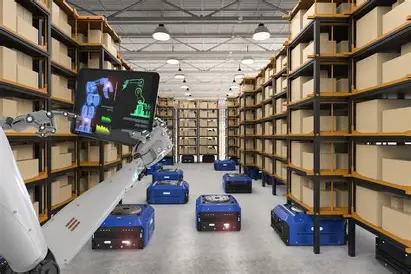
Warehouse automation has also advanced significantly. Many distribution centers now use robotic systems to sort, package, and transport products. These technologies increase speed, reduce human error, and improve overall efficiency. As a result, companies can process larger volumes of orders while maintaining high service standards.
The growth of e-commerce has created additional pressure on logistics providers. Consumers increasingly expect fast delivery options, including same-day and next-day shipping. To meet these expectations, companies are expanding fulfillment networks and investing in smarter transportation systems.
In Africa, logistics innovation is helping businesses reach previously underserved markets. New delivery networks, digital tracking tools, and mobile-based logistics platforms are improving access to products and services in both urban and rural communities. These developments support economic growth and encourage entrepreneurship.
Sustainability is becoming another major focus within the logistics industry. Businesses are exploring environmentally friendly transportation options, including electric delivery vehicles and optimized route planning. Reducing fuel consumption not only lowers costs but also helps organizations achieve sustainability goals.
Global supply chains have faced numerous disruptions in recent years, including geopolitical tensions, natural disasters, and economic uncertainty. These challenges have highlighted the importance of resilience and adaptability. Companies are increasingly diversifying suppliers and building more flexible logistics networks to reduce risks.
Data analytics has emerged as a valuable tool for supply chain management. By analyzing performance metrics and operational data, businesses can identify inefficiencies and make informed decisions. This data-driven approach helps organizations continuously improve logistics performance.
Another emerging trend is the use of blockchain technology to improve transparency and security within supply chains. Blockchain systems create permanent digital records that can help verify product origins, reduce fraud, and enhance trust between suppliers and customers.
Industry experts predict continued growth in logistics technology investment throughout the coming years. Advances in automation, AI, and transportation infrastructure will further improve efficiency and reliability. Businesses that embrace these innovations are expected to gain a significant competitive advantage.
The logistics sector also contributes significantly to employment and economic development. As companies expand operations and adopt new technologies, demand for skilled workers in transportation, technology, and supply chain management continues to grow.
In conclusion, logistics and supply chain technology are transforming global commerce. Through innovation, automation, and data-driven decision-making, businesses are improving efficiency, reducing costs, and meeting the demands of modern consumers. The continued evolution of logistics will play a crucial role in shaping the future of international trade and business growth.