
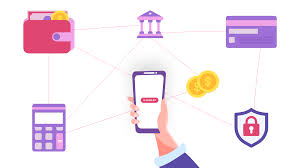
- Mobile money and fintech innovations have revolutionized financial systems in 2026, especially in developing countries. These technologies have changed how people save, spend, and transfer money, making financial services more accessible than ever before.
One of the most important impacts of mobile money is financial inclusion. Millions of people who previously had no access to banks can now perform financial transactions using just a mobile phone. This includes sending money to family members, paying bills, purchasing goods, and even saving money securely.
Mobile money systems are particularly important in rural areas, where traditional banks are often far away. Instead of traveling long distances to access financial services, users can complete transactions instantly from their homes. This convenience has significantly improved daily life and economic participation.
Fintech companies have also introduced innovative digital banking solutions. These platforms often provide lower fees and faster services compared to traditional banks. Many users prefer fintech apps because they are simple, user-friendly, and accessible without paperwork or long approval processes.
Businesses are also benefiting from fintech. Small merchants can now accept digital payments easily, reducing the need for cash handling. This has improved security and reduced risks associated with carrying physical money.
However, the rapid growth of digital finance has also introduced cybersecurity challenges. Fraud, hacking, and phishing attacks are becoming more common. As a result, companies are investing heavily in security systems and user education to protect customers.
Traditional banks are not disappearing but are instead adapting to the digital age. Many banks now offer mobile applications and online banking services to compete with fintech startups. This competition is driving innovation across the entire financial sector.
Another major impact of fintech is the rise of micro-loans and digital credit systems. These services allow individuals and small businesses to access loans quickly based on digital financial history rather than traditional credit checks. This has opened new opportunities for entrepreneurship and business expansion.
Despite the benefits, there is still a digital divide. Not everyone has access to smartphones or stable internet connections, which limits full participation in fintech systems. Governments and private companies are working to address this gap through infrastructure development.
In conclusion, mobile money and fintech are transforming financial systems worldwide. They are making financial services more inclusive, efficient, and accessible, while also driving innovation in banking and commerce.